Top 10 Tarps and Covers for Weather Protection

1. Vinyl Tarps are the strongest, most waterproof tarps available. Vinyl tarps are great for all seasons, withstanding both UV light and bitter cold superbly well. Vinyl tarps are long-lasting covers suited for use on just about everything from cars to roofs to machinery. Vinyl tarps also come in different grades and many colors. Keep a vinyl tarp handy, and you can use it for protection season after season.

Vinyl Tarp


2. Polyester Canvas Tarps are breathable yet water resistant. Tarp Supply's Ultrastrong Canvas Tarps are the best covers for deterring condensation buildup underneath yet helping to keep your items dry. Polyester Canvas, unlike some treated canvas tarps, leaves behind NO dye or NO residue.

Ultrastrong Polyester Canvas

3. Poly Tarps are good all-purpose tarps that range from light duty to super heavy duty. Poly tarps are economical temporary covers. You will commonly see blue poly tarps being used, but there are stronger poly tarps in other colors that are available. Popular selections include heavy duty silver and silver/black poly tarps and super duty USA Made Poly Tarps.

Super Duty Silver Poly Tarp

4. Mesh Tarps, or shade tarps, are great windbreakers that also allow for air circulation. Mesh tarps feature an open weave that resembles a net. Look for strong vinyl coated mesh tarps that last you through the seasons. Great for nurseries, fences, shading, and dump trucks.

55% Vinyl Multimesh Tarp
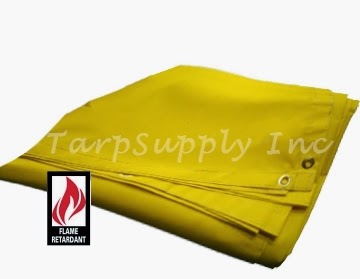
5. Make sure you have Fire Retardant tarps if you are setting up a structure in public areas or will be working close to flame or a heat source. Always verify that the fire retardant tarps you are working with meet your state and local fire marshal requirements.
Fire Retardant Salvage Cover

Look for Top 10 Covers and Tarps Part II in the next post to come!

Comments

  1. I need a new tarp for a day hike I am planning for this coming weekend, and I think a vinyl tarp will be a resourceful choice. I found some amazing options here: http://hikingmastery.com/top-pick/best-tarp.html

    ReplyDelete
  2. This comment has been removed by a blog administrator.

    ReplyDelete
  3. A very delightful article that you have shared here. Your blog is a valuable and engaging article for us, and also I will share it with my companions who need this info. Thankful to you for sharing an article like this.burlap bags wholesale

    ReplyDelete
  4. As we have seen, I believe this article to be well-informed. custom erp software development

    ReplyDelete

Post a Comment

Popular posts from this blog

Smart Shoppers Buying Guide for Tarps

There are many different types of tarps to be considered. This information would help break down the materials in detail and popular uses to help find you the right tarp. Some of the simple terminology you need to know about tarps Mil = Thickness of the tarps materials. The thickness of materials starting from 5 Mil up to about 48 Mil thick. Within a higher Mil number, it results in better strength. Oz (Ounces) = Weight of the tarps per yard. In canvas, Ounces based on before and after treatment.  Grommets = eyelet placed in a hole, typically every 2 feet apart or 18" inches. Reinforced = Tri-angle kinda shape of the plastic piece that placed on the corners of the tarp to add strength. Finished Size = Exact size of the tarps made Cut Size = The size of the tarps that are approximately 6" or 3% smaller than the listed size. Most tarps are standard cut sizes after the edge of the tarps are folded and hemmed. Due to this process causes the size of the tarp to...

Five Factors to Consider When Purchasing a Tarp

We know first hand that when purchasing a tarp, a customer can sometimes feel a bit overwhelmed.  What seems like a simple purchase can quickly become confusing when you encounter the many different tarp materials, sizes, and tarp terminology. There are numerous details that you need to consider before making a purchase. We recommend reviewing these five key factors, that will help your purchasing decision easier. 1. Size Although fairly obvious often times a customer doesn't know the measurements needed to entirely cover their area. While sometimes you can make an estimated size work for your project, it is always better to know the exact measurements needed to ensure your tarp fits when you receive it. However, many people are surprised to learn that tarps are not made to exact size unless specified for custom orders. Cut Size  - The hems of the cut size tarp are then folded in and stitched to create a sturdy, reinforced side results tarp size end up slightly sm...